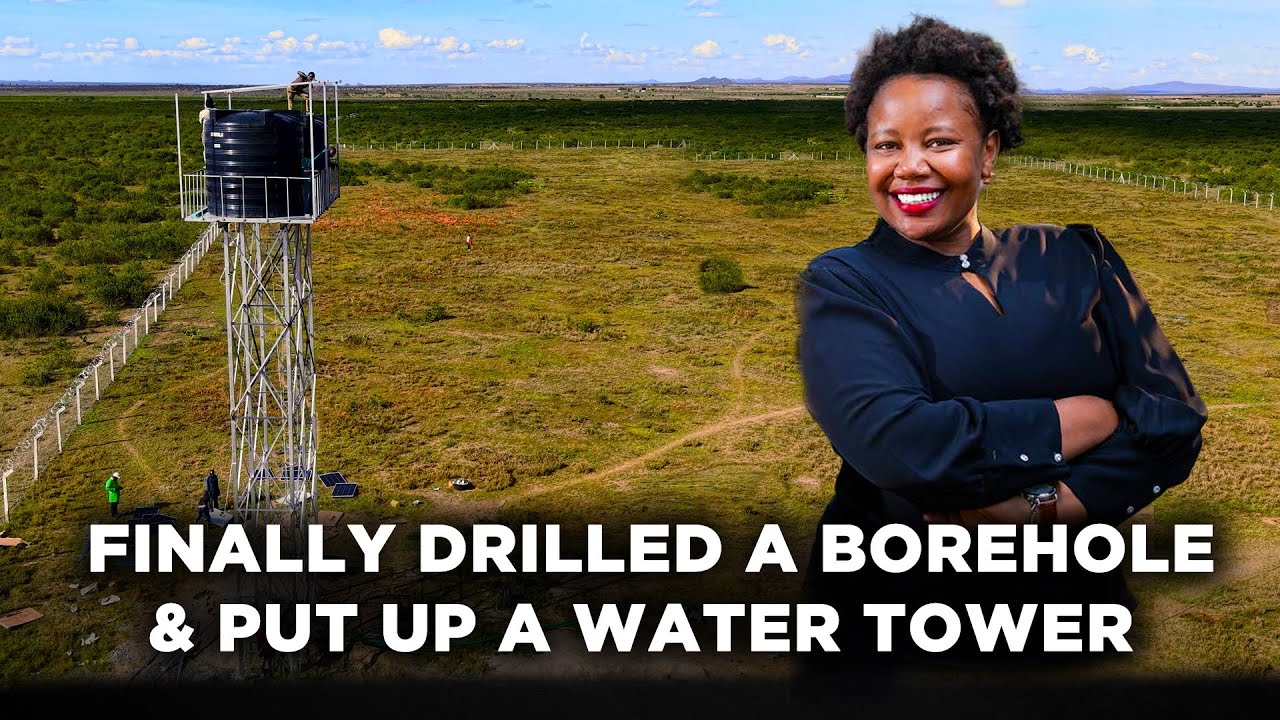
The most expensive borehole mistake is not always drilling a dry hole. Sometimes it is finding water the wrong way and then discovering later that the borehole was badly placed, poorly surveyed or inadequately protected against collapse. In this conversation, Alfred Bahati gives a useful warning to landowners who think borehole work is straightforward. It is not.
His clearest point is that people often want to jump directly to drilling. They assume a neighbour’s success can be copied, or they trust unqualified technicians who promise a cheaper route. That is where losses begin.
The survey is not a delay. It is the real beginning.
According to Alfred, the first serious step is a geological survey done by a qualified geologist using the right equipment. The purpose is not simply to confirm that some water exists underground. It is to identify where the strongest aquifers are, how water is moving through underground cracks and rock, and which exact point on the land gives the best chance of a sustainable result.
That distinction matters. Water underground is not evenly distributed. Some formations yield only a small amount. Others discharge much more. A survey helps separate hope from evidence.
No two boreholes cost the same
Many landowners ask for a flat borehole quotation before any fieldwork has happened. Alfred explains why that is unreliable. Every site has a different soil formation. Some drill quickly. Others take days because the walls keep collapsing. Some require extensive casing through weak or clay-heavy sections before a stable formation is reached.
In Lynn’s case, the drilling process took longer because the upper section needed casing and there were clay challenges before the team reached a more stable depth. That is a reminder that the same machinery can face completely different conditions from one plot to the next.
The shortcut mentality is what creates repeat costs
One of the most practical warnings in the episode is about shortcuts. Alfred says some people skip proper surveys because a nearby parcel already has water. Others hire people who present themselves as experts but are not properly qualified. On paper, that seems like money saved. In practice, it can produce a borehole that dries up, underperforms or forces the owner into correction costs later.
Easy shortcuts are especially dangerous in infrastructure because the failure usually comes after the contractor has left. The landowner is the one who remains with the problem.
The right questions before drilling
A disciplined landowner should ask for more than a price. They should ask who is doing the survey, what the report shows, whether approvals are required, what casing is expected, how pumping will be tested and how water quality will be verified once drilling is complete. Those questions do not slow the process down. They make the process real.
The transcript also highlights the importance of understanding basic borehole vocabulary. If a contractor cannot explain aquifers, casing, yield or recharge in ordinary language, that should concern you. People do not need to become engineers to own rural infrastructure, but they do need enough understanding to reject careless work.
The right start saves money later
The most valuable part of Alfred’s explanation is that it reframes cost. A proper survey, legal approvals and competent drilling can look expensive at the start. But that spending is often what prevents a more painful loss later. In other words, the cheapest-looking path is often the one that becomes most expensive over time.
For families trying to turn rural land into working farms, that is the lesson to keep. Before you talk about crops, tanks or towers, make sure the borehole begins on evidence, not excitement.